


Jugging: What It Is and How to Help Protect Yourself
Jugging is a serious crime in which criminals watch individuals withdraw cash from a bank branch or ATM and then follow them to another location to steal the money. In many cases, the robbery does not happen immediately. Instead, criminals may wait until the victim arrives at another destination such as a store, workplace, or even home.
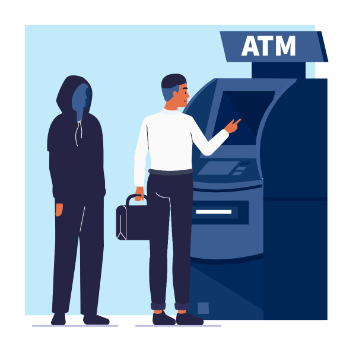 Recent incidents in the Borderplex area are an important reminder that awareness and vigilance remain critical when conducting banking transactions involving cash.
While jugging often begins at an ATM, it can also occur at bank branches, particularly when criminals observe customers leaving with cash withdrawals, deposit bags, or banking envelopes.
Understanding how these crimes happen can help you better protect yourself and your finances.
How Criminals Typically Operate
Jugging criminals may position themselves near:
- ATM drive-thrus or walk-up ATMs
- Bank branch parking lots
- Branch entrances and exits
- Nearby businesses or intersections close to financial institutions
They may appear to be sitting in parked vehicles, using a phone, or waiting nearby while observing customer activity. Once they identify someone they believe may be carrying cash, they may follow that person until they stop at another location.
Tips to Help Protect Yourself
1. Stay Aware of Your Surroundings
Before using an ATM or entering a branch, take a moment to observe the area around you. Be mindful of vehicles that appear occupied for long periods or individuals lingering nearby without a clear purpose.
When leaving a branch or ATM, remain alert as you walk to your vehicle and while driving away. If you notice a vehicle following you through multiple turns or locations, do not drive home. Instead:
- Drive to a busy public location
- Go directly to a police station if possible
- Call 911 immediately
Trust your instincts. If something feels unusual, take precautions.
2. Limit Distractions During Transactions
Avoid using your phone, wearing headphones, texting, or becoming distracted while conducting banking transactions. Criminals often target individuals who appear unaware of their surroundings.
Whether you are at a branch teller line, drive-thru, or ATM, staying attentive can help you notice suspicious behavior more quickly.
3. Use Well-Lit, High-Traffic Locations
Whenever possible:
- Use ATMs located at bank branches or inside ATM vestibules
- Visit branches during busier daytime hours
- Park near branch entrances in visible areas
- Avoid isolated ATMs or poorly lit locations
Busy locations with higher visibility may discourage criminal activity.
4. Be Discreet With Cash and Banking Materials
After completing your transaction:
- Secure your cash immediately
- Put away receipts, deposit slips, and banking envelopes
- Avoid counting money in public
- Do not leave cash or bank bags visible in your vehicle
Even small indicators, such as visible envelopes or branded bank bags, can attract unwanted attention.
5. Avoid Predictable Banking Routines
If you regularly withdraw or deposit cash:
- Vary the times you visit the bank
- Use different branch or ATM locations when possible
- Avoid creating predictable weekly routines
Criminals sometimes observe patterns before targeting victims.
6. Consider Safer Alternatives to Carrying Cash
Whenever possible, consider using:
- Debit cards or digital payments
- Online bill payment services
- Wire transfers or ACH payments for business transactions
- Mobile banking tools for remote transactions
Reducing the amount of cash you carry can help reduce potential risk.
What To Do if You Feel Unsafe
If you ever feel uncomfortable during a transaction:
- Cancel the ATM transaction and leave immediately
- Return to the branch if you are outside
- Notify branch staff of suspicious activity
- Call local law enforcement if needed
Your safety is always more important than completing a transaction.
Staying alert and taking a few proactive precautions can make a significant difference in helping protect yourself against jugging and other crimes involving cash transactions.
To learn more about fraud prevention and financial safety tips, visit our Fraud Center.